NeolemonNeolemonvsLeonardo AILeonardo AI

More controls, or a route to the same character.

Leonardo AI is a broad, Canva-owned creative suite: many models, video, photoreal, an API. Neolemon does one job, the part that usually breaks, which is keeping the same cartoon character recognizable across a whole book.

20 free credits. No card required.

4.5
Trustpilot, 94% 5-star
1M+
uses on our GPT
60%
publish to KDP
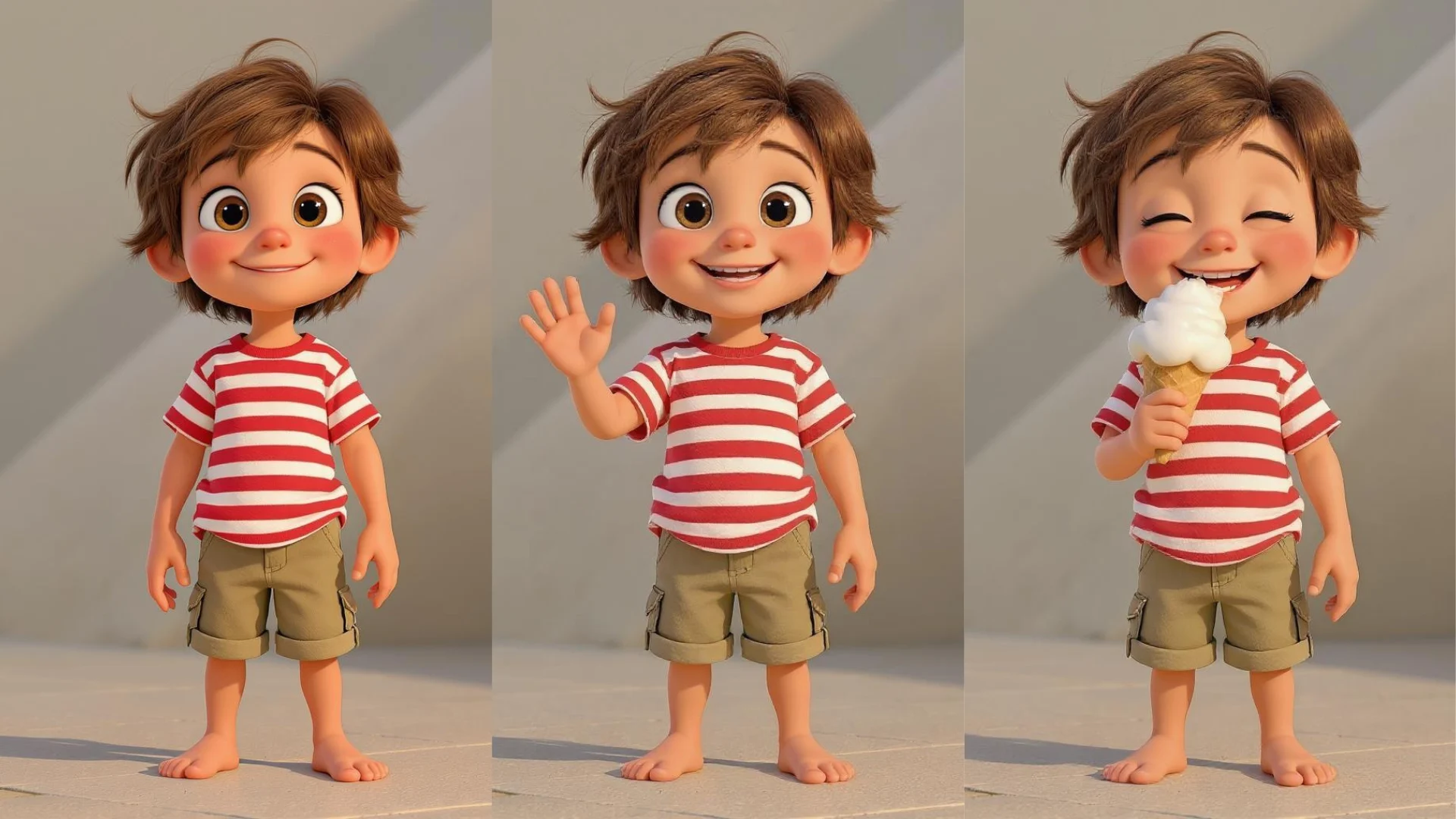
The same cartoon character generated in several poses with an identical face, hair, and outfit

One character. Many scenes. Same face.

The short answer

Who each one is for.

You probably already use Leonardo, or you are weighing it. Here is the honest split before any detail. If Leonardo is right for your project, use it. We would rather you pick the right tool than churn off ours in week two.

Leonardo AI

Choose Leonardo AI

You want a broad creative suite: image generation, video, photorealism, custom-trained models, an API, team plans, and the Canva ecosystem behind it.

Choose Neolemon

Your real job is keeping the same cartoon character on-model across a children's book, comic, classroom story, or social series, without assembling a consistency workflow from scratch.

Use both

Explore styles, covers, and a book trailer in Leonardo, then build your recurring interior character in Neolemon where you can direct it.

The whole comparison in one line

Leonardo is a studio full of powerful machines. Neolemon is the storyboard desk where the same character keeps showing up correctly.

Leonardo can make consistent characters. We are not going to pretend otherwise. The difference is that Leonardo hands you the controls, and Neolemon hands you the route. That one choice is what the rest of this page is about.

You can get consistency with Leonardo, but not out of the box.
DisasterPrudent1030, a Leonardo user, on r/leonardoai. We built the out-of-the-box version of exactly that.

What you are comparing

Two tools, two shapes.

Most "Leonardo AI alternative" pages still describe Leonardo as a game-asset tool. That is stale. Here is precisely what each one is, in 2026.

Leonardo AI

Leonardo AI

A Canva-owned, multi-model studio

Launched December 2022, acquired by Canva in July 2024. By early 2025 it reported 29 million registered users and over a billion artworks. A broad visual production platform, not one narrow workflow.

  • Image generation. First-party models like Lucid Origin, Lucid Realism, and Phoenix, plus third-party models such as Nano Banana Pro, Seedream, Ideogram, and Flux.
  • Reference and control. Character Reference, Style, Content, Pose, Depth, Edge, and more. Newer omni models take up to six reference images.
  • Custom training. Elements, a LoRA-style system you train on a 10 to 50 image dataset.
  • Video and API. Veo, Sora, Kling, and more, plus a pay-as-you-go developer API.
Leonardo AI generative platform for images, art, and video
Neolemon

Neolemon

A cartoon character workshop

Formerly ConsistentCharacter.ai. A two-founder, bootstrapped team in Faro, Portugal. Cartoon-only since 2025, on purpose. You build one anchor character, then direct it scene by scene.

  • Character Turbo builds the anchor from structured Description, Action, Background, and Style fields.
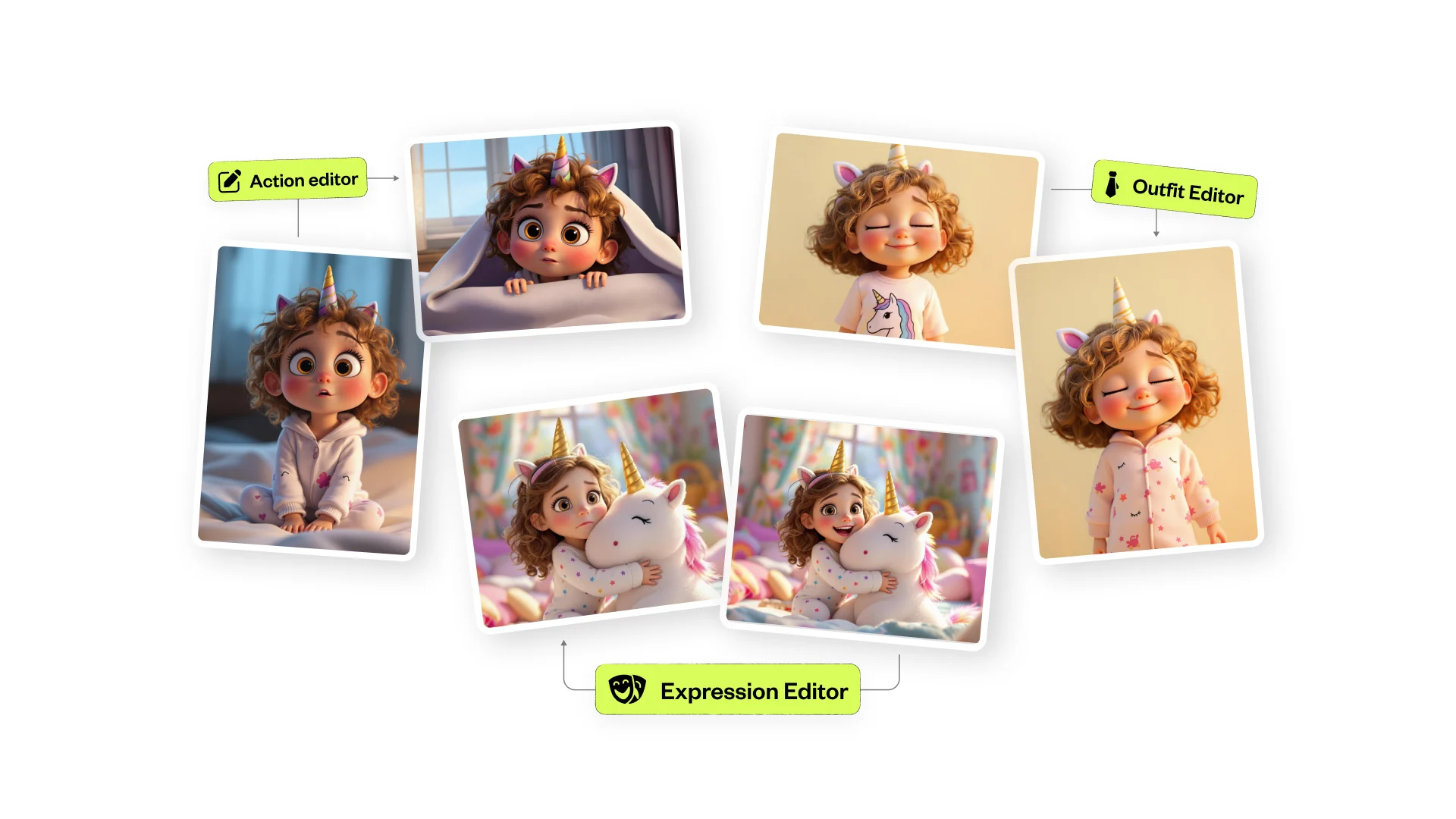
  • Action, Expression, Perspective, Outfit editors change one variable at a time, identity locked.
  • Multi Character and Story Scene Pro compose up to three characters with a background.
  • AI Canvas, Coloring Book Creator, Storyboard take you from assets toward a laid-out book.
Neolemon editors generating the same character in different poses and outfits

How consistency actually works

Lock the identity. Change one thing at a time.

Any tool can make one cute character. It falls apart around page 27, after your hero has been regenerated into thirty new scenes and quietly stopped being the same kid. With Leonardo you decide which model, which reference type, what strength, whether to train an Element. Neolemon enforces the actual mechanic for you.

1

Anchor

One clean front view in Character Turbo. Every scene derives from this single reference, not a fresh roll of the dice.

2

Pose it

Action Editor changes the pose in plain English, like sitting and reading a book. Face, outfit, and style stay put.

3

Emote it

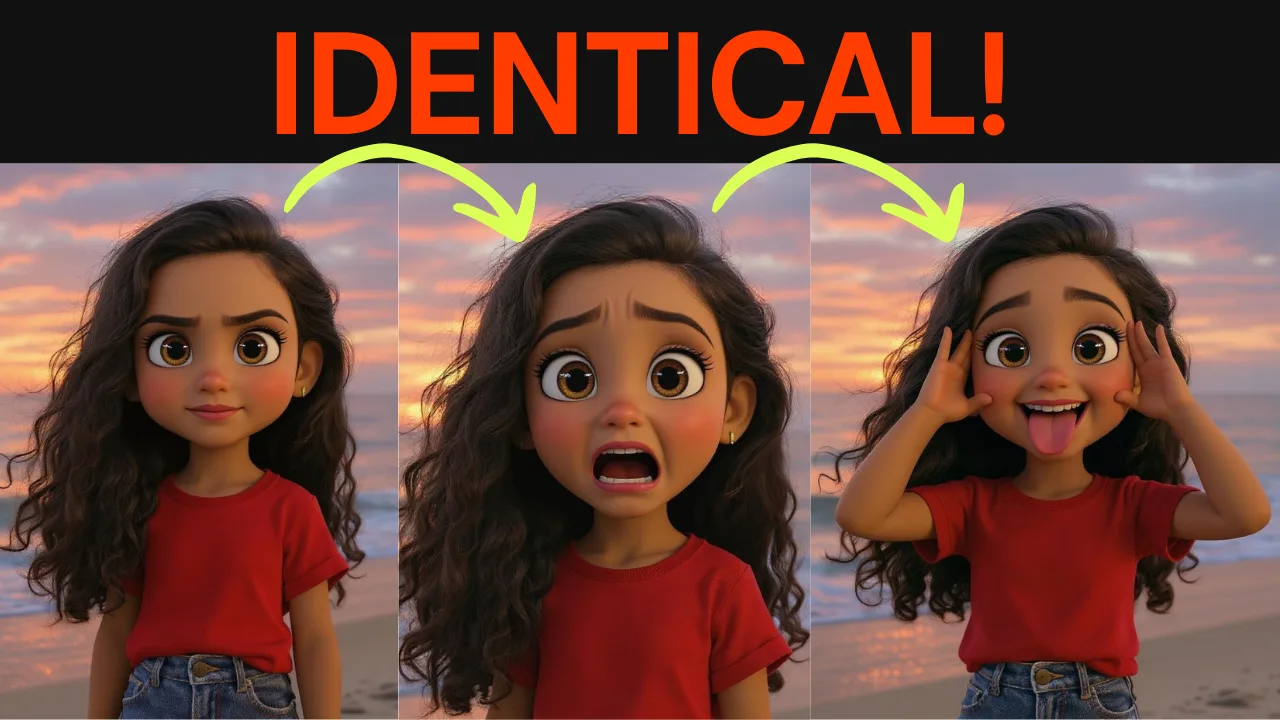
Expression Editor moves the head tilt, eyes, brows, and mouth. Same child, twelve different feelings.

4

Compose it

Drop the character into a background, or compose up to three with Story Scene Pro. Identity does not blend.

The same cartoon character in several expressions, all clearly the same person

Why it holds where a generalist drifts

A general model is probabilistic by default. Reference modes constrain it, but they do not give it a persistent memory of your character, and Leonardo's own community will tell you small wording changes can drift the face or outfit. Neolemon conditions every image on your one anchor and moves a single variable at a time. The face you signed off on page one is the face on page thirty-two.

The same approach powers the developer model on Segmind: a character reference plus an optional pose reference. It is a workflow for controlling consistency, not a wish for it.

The meter nobody mentions

A token is not an image.

This is not our claim, it is Leonardo's own help center: "a single token doesn't correspond to a specific image size or a specific action." Cost depends on the model, settings, references, image size, and outputs. That flexibility is great for exploring, and harder to budget when you are illustrating a known book.

Leonardo, one Veo 3 video

2,500

tokens per generation, and it cannot be made on the free plan. On Essential's 8,500 monthly tokens, that is about three full Veo clips.

Leonardo, per action

Varies

by feature, model, references, settings, size, and number of outputs. "Unlimited relaxed" covers only selected first-party models, not the whole catalogue.

Neolemon

4

credits per Character Turbo image. 600 credits a month is about 150 generations, a number you can plan a whole book around.

This is not "we are cheaper." Leonardo's $12 Essential is cheaper than our $29 Creator plan. It is "we are easier to forecast for a known job." For exploration, the token meter is fine. For shipping a specific cartoon-story project, flat credits are the calmer math.

Credit where it is due

Where Leonardo AI wins.

We will go first. If we listed our wins first, you would suspect the rest of the page. These are things Leonardo does better than us. If one is what your project needs, it is the right tool.

A broader model bench

Lucid Origin, Lucid Realism, Phoenix, Nano Banana Pro, Seedream, Ideogram, Flux. A higher creative ceiling than a single focused tool.

Photorealistic humans and ads

Lucid Realism and the Flux family are built for realistic portraits, product shots, and cinematic mockups. We dropped photoreal in 2025.

Yes, consistent characters

Character Reference and Elements are real. For a power user, a well-trained Element can beat a reference-only workflow for one recurring character.

AI video generation

Veo, Sora, Kling, Hailuo, and more in one place. We make consistent frames; you animate them elsewhere. If video matters, Leonardo wins clearly.

A cheaper front door

A $12 Essential plan and a free daily-token tier both undercut our $29. If you just want to play, Leonardo is the cheaper first click.

A real developer API

Pay-as-you-go, up to ten concurrent generations, image, video, and training endpoints. Better for product teams than our narrower Segmind model.

Canva ecosystem leverage

Canva Business and Enterprise include Leonardo Essential. If Canva is already central to your work, that gravity is real.

Company-scale signals

4.5 from over 1,200 Trustpilot reviews, 4.8 on the App Store, 4.6 on Google Play. If "many people have tried it" decides it, Leonardo wins.

Take Leonardo seriously, and build something good. If you later hit the "the character keeps drifting" wall that brings most people to a focused tool, you know where we are.

Our turn, same rules

Where Neolemon wins.

Cartoon-only, on purpose. Built around the one job that breaks a generalist tool: the same character, page after page.

Consistency is the product

Not a feature inside a creative suite. The entire product architecture is the character-consistency workflow.

Money math you can forecast

600 flat credits, 4 per image, about 150 generations. No token table, no third-party-model footnote, no surprise when you switch models.

Expression and action are first-class

A dedicated Expression Editor and Action Editor map straight to story beats: embarrassed, excited, worried, proud, sleepy.

A storybook production layer

Projects, Storyboard View with script and arrow-key navigation, PDF export, AI Canvas, and a one-click Coloring Book Creator.

Beginner-friendly by design

No model picking, no guidance-strength dials. Prompt Easy turns rough text into a clean brief. Productive in your first session.

Built for the KDP author

Around 60% of our users self-publish on Amazon KDP. That is where the product investment goes, not into a video model.

Cartoon specialization

We deprecated photoreal in 2025 to go deep on cartoon storytelling. The focus shows in the output.

Honest about its limits

Cartoon-only, no native print, no video. We say so up front, lower on this page. You would rather hear that now.

Feature by feature

The full comparison.

Grouped by what you are actually deciding on. Where Leonardo is the stronger pick, it says so plainly. Use this as a buyer would, not as marketing copy.

Capability Leonardo AI Neolemon
Character control
Consistency across story scenesPossible, a workflow you assembleThe core product: anchor plus editors
Pose and actionPose, Depth, Edge, Sketch referencesDedicated Action Editor, plain English
Facial expressionImage guidance and inpaintingDedicated Expression Editor
Outfit and camera angleImage-guidance workflowOutfit and Perspective Editors
Multi-character scenesPossible via reference combinationsMulti Character and Story Scene Pro
Custom model trainingElements, 10 to 50 image datasetNo customer-facing training needed
Range and breadth
Photorealistic humansYes, Lucid Realism and FluxNo, cartoon-only since 2025
AI video generationVeo, Sora, Kling, Hailuo, and moreNo, point to Higgsfield or Kling
Readable text and coversStrong, Ideogram and Nano Banana ProNot a typography tool
Mobile appYes, iOS and AndroidWeb only
Book production
Photo to main characterPossible, image-to-imageDedicated Photo to Cartoon
Storyboard and page sequencingCinematic pre-viz framingPanels, script, arrow keys, PDF export
Drag-and-drop scene compositionCanvas and Realtime CanvasAI Canvas with text overlays
KDP coloring-book pagesPossible via prompt engineeringColoring Book Creator, one click
Pricing and rights
Free way to try150 tokens a day, public outputs20 credits, no card, private
Lowest paid tier$12 a month, Essential$29 a month, flat
Pricing modelTokens, variable per model and actionFixed credits, 4 per image
Developer APIBroad, up to 10 concurrentSegmind V3 endpoint, narrower
Team plansTeam Starter, 3 seatsSingle-user focus
Commercial-use rightsPaid plans; free outputs are publicIncluded on the paid plan

Leonardo's surface and pricing change often. Re-check leonardo.ai before you decide. App Store prices run higher than the web prices listed here.

Pricing

One is built for exploring. One is easy to budget.

We will pull the real numbers from each pricing page rather than waving at "it depends." Leonardo is cheaper at the front door. Neolemon is easier to forecast for a specific book.

Leonardo AI

PlanPriceFast tokens
Free$0150 a day, public
Essential$12/mo8,500 a month
Premium$30/mo25,000 a month
Ultimate$60/mo60,000 a month
Team Starter$72/mo75,000 shared
  • Tokens are variable. One token is not one image.
  • "Unlimited relaxed" covers selected first-party models only. Veo 3, Sora, Nano Banana, and more still cost tokens.
  • Free outputs are public. Private mode, and even deleting an image, need a paid plan.
  • App Store prices run higher: $15.99, $39.99, $79.99. Buy on the web.

Neolemon

$29 / month, flat

600 credits, about 150 generations. Plus a free trial: 20 credits, no card.

  • One plan, every feature. No tiers, no token table.
  • 4 credits per Character Turbo image, the same every time.
  • Private by default. Commercial-use rights on the only paid plan.
  • We bumped credits from 400 to 600 at the same price during the rebrand.
See Neolemon pricing

Leonardo is genuinely cheaper to start, and its free tier is more generous if you can live with public outputs. Neolemon wins the moment you need to plan a real project, because the price you see is the price you pay. Compare how many usable final scenes you have after the revisions, not the sticker price.

Proof, with names

What people actually say and ship.

Most comparison pages skip this because they do not have it. Here are both sides, real handles and real sources, the flattering and the brutal.

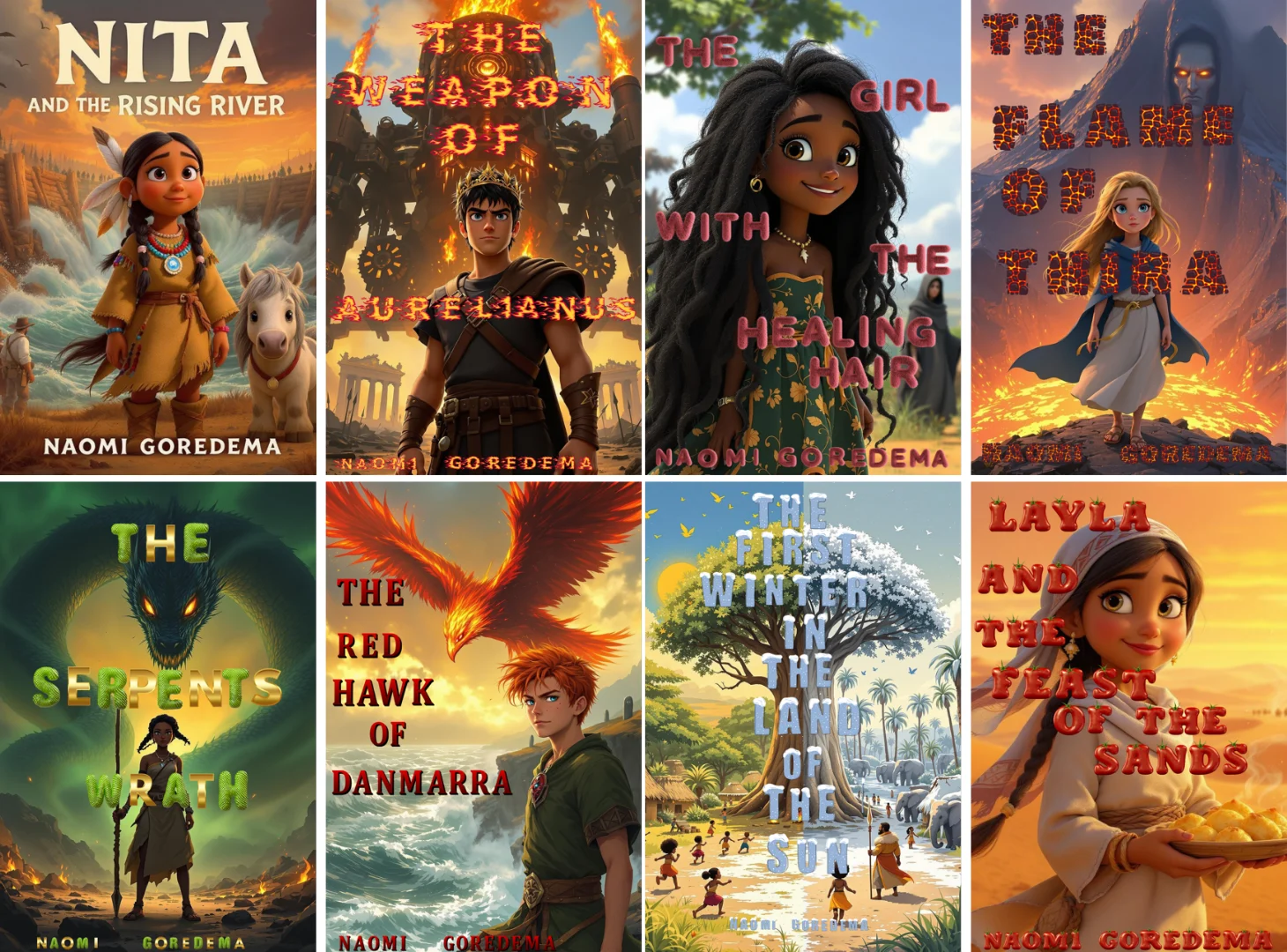
Finished children's book covers illustrated with Neolemon by author Naomi Goredema
20 books in 4 months. Naomi Goredema, children's author. Her old InDesign, Photoshop, and Midjourney workflow took about three days per character.

On Leonardo AI

Leonardo is broadly loved. These are real, public reviews. The praise is for the breadth. The complaints cluster on the exact thing we obsess over.

"Best publicly available AI image generation tool."

Diana, on Capterra

"Consistency is genuinely the hardest part, and even small wording changes can drift the face or outfit."

Quiet-Conscious265, on r/leonardoai

"Same seed created a different face every time," even Character Reference with an exact photo.

WelderRemarkable1743, on r/leonardoai

The pattern is not "Leonardo is bad." It is token anxiety, prompt-adherence drift, and the overhead of getting consistency to hold. If you feel any of those, that is the moment for a focused tool.

On Neolemon

Our proof is finished work, not tool reviews.

  • Patricia Wonsey, a former educator, made over $1,000 in her first week selling coloring books built on Neolemon.
  • Brian McPhee shipped an 83-page book with 47 illustrations, 13 characters, and 12 stories.
  • Erica Weinstein, a student, built an 8-scene storyboard with the same cast across every scene.
  • "This app has become an invaluable tool in my creative process." Joanne Mohammed, children's author, on LinkedIn.
4.5★★★★★34 reviews, 94% 5-star on Trustpilot

Decide on evidence

The five-prompt stress test.

Do not take my word for it, or any vendor's. Run the same five prompts on each tool with the same character, score the outputs, and let the result decide. About thirty minutes per tool, and both free tiers cover it.

1

Front view

Main character, neutral pose, your style. The anchor. If this is wrong, nothing else works.

2

Walking profile

Side view, walking. Tests whether identity survives a camera-angle change.

3

Sitting and reading

A completely different pose, same outfit. Tests whether the model locks to pose over identity.

4

Surprised close-up

Head-and-shoulders crop, surprised. Tests expression control and face stability.

5

Two-character scene

Your hero with a second character. Where most tools break.

Score each on: facial identity, outfit consistency, art style, anatomy, and multi-character discipline. Then total the credits or tokens each tool burned. Whichever needs fewer retries to get all five to a usable place is the right tool for your book. That ratio is the only number that matters. I would rather lose to evidence than win to fluff.

Route yourself

Who should pick which.

Leonardo AI

  • A marketer, freelancer, or brand designer who wants a broad creative suite.
  • You need photorealistic humans, product shots, or cinematic ad concepts.
  • You want AI video generation in the same tool.
  • You are building media generation into a product and need an API.
  • You want a custom-trained brand mascot or style you will reuse for years.
  • Your Canva subscription already includes Leonardo Essential.

Neolemon

  • You are illustrating a children's book and need the same character across 24 to 32 pages.
  • You self-publish on Amazon KDP, or are about to.
  • You are making a coloring book for KDP.
  • You have hit "the character keeps drifting" on a generalist tool.
  • You want simple credit math you can budget for one project.
  • You would rather have one guided workflow than ten model knobs.

Use both

  • Leonardo for the cover, the photoreal author portrait, and a book trailer.
  • Neolemon for the recurring cartoon interiors you need on-model.
  • Explore styles in one while you build your series with the other.

The switch

Moving a character from Leonardo to Neolemon.

Already have a character built in Leonardo and want to test Neolemon without starting over? Here is the path, start to finish, on the free trial.

  1. 1

    Export your cleanest image

    The full-body, front-facing, neutral-pose render Leonardo got most on-model.

  2. 2

    Start a free trial

    20 credits, no card. Your Leonardo account stays untouched.

  3. 3

    Re-anchor in Neolemon

    Use Photo to Cartoon, or Prompt Easy plus Character Turbo, to rebuild a stable native reference.

  4. 4

    Build a pose pack

    Five to ten poses with Action Editor. Face and outfit stay locked.

  5. 5

    Build an expression pack

    Five to ten emotional beats with Expression Editor. The same child, every feeling.

  6. 6

    Compose a scene

    Your first multi-character scene with Multi Character or Story Scene Pro.

  7. 7

    Organize in Projects

    One project per book. Sequence panels in Storyboard, write the script alongside.

  8. 8

    Lay it out

    The storyboard PDF is not a print interior. Finish in Canva, Affinity, or InDesign at 300 DPI.

  9. 9

    Publish and disclose

    Upload to KDP, and disclose AI images, which KDP requires regardless of the tool.

About five generations gets you to a working character. If it feels closer to on-model than what Leonardo was producing, the rest of the book is downhill work.

The wider field

What about the other alternatives?

If you searched "Leonardo AI alternative," you have seen these names too. Here is the honest lay of the land, by the job each one is best at.

Midjourney

The aesthetic ceiling for photoreal and painterly art. A strong pick for semi-realistic children's books. Not built for directing one character across a series.

Ideogram

The best of this group at readable text in an image, so reach for it on book titles, posters, and text-heavy covers.

Adobe Firefly

Commercially-safe generation tied into the Adobe workflow. Good for design teams already living in Creative Cloud.

Stable Diffusion and ControlNet

The most technical control, if you are willing to run it yourself and learn the knobs. A steep curve for a non-technical author.

Higgsfield, Runway, Kling

Video and motion tools. The natural next step once you have consistent frames, which is exactly what we hand you.

Neolemon

The one on this list built for cartoon character consistency across a story, not general image generation. If that is the problem, this is the different category.

No half-truths

What to watch out for, on both sides.

Leonardo AI

  • Tokens are variable, so a known workflow is hard to budget up front.
  • "Unlimited relaxed" excludes many third-party models, which still cost tokens every time.
  • Free outputs are public, and deleting a generation needs a paid plan.
  • Content filters draw recurring complaints, sometimes on innocent prompts.
  • Getting consistency to hold reliably is user-side work, by its own community's account.
  • App Store prices are materially higher than web prices.

Neolemon

  • Cartoon-only since 2025. For photoreal humans, Midjourney or Flux is the right tool.
  • Three or more characters in one frame still needs iteration.
  • Not an animation studio. Pair with Higgsfield, Runway, or Kling for motion.
  • The storyboard PDF is a storyboard, not a print-ready KDP interior.
  • Commercial-use rights are not copyright ownership. The law is still evolving.
  • KDP requires AI disclosure regardless of which tool made the images.

We would rather lose a buyer to honesty than win one with a half-truth. The customers we want are the ones for whom the narrow workflow is genuinely better.

Questions

What people ask before switching.

Is Neolemon better than Leonardo AI?+

For the specific job of keeping the same cartoon character recognizable across many story scenes, yes, the product is built around that. For broad image and video generation, photorealistic work, custom-trained models, or API access, Leonardo is the more powerful tool. We picked our lane on purpose.

Can Leonardo AI create consistent characters?+

Yes. Leonardo has a Character Reference feature and an Elements custom-training system, and users do get good results. What it does not have is a workflow built specifically around producing the same character across a 32-page book. You can get there, but you assemble the path yourself.

Why do my Leonardo characters keep drifting between scenes?+

It is the most common complaint in Leonardo's own consistency threads. Three reasons: generation is probabilistic by default, reference modes constrain but do not create persistent character memory, and small prompt changes can drift the face or outfit. The fix is a stable anchor plus changing one variable at a time. Neolemon's editors are built around that constraint, which shrinks the drift surface.

What is the best Leonardo AI alternative for children's book illustrations?+

It depends what you mean by alternative. For consistent cartoon characters across story scenes, Neolemon. For photorealistic or semi-realistic books, Midjourney or Leonardo's Lucid Realism. For text-heavy cover design, Ideogram. For broad creative exploration, Leonardo itself stays a strong pick.

Do I need custom model training to make consistent characters?+

No, not for most children's-book authors. Training, like Leonardo's Elements, is powerful for advanced creators with a recurring brand mascot they will use for years. For a single book, the time usually outweighs the gain. A reference-based workflow is the more practical path, and it is the one Neolemon is built around.

Does Neolemon generate video like Leonardo AI?+

No. We make consistent frames; you take those into Higgsfield, Runway, Kling, or CapCut for motion. We have published the combined workflow. If video generation in-platform matters, that is a clean Leonardo win.

Which is better for photorealistic humans?+

Leonardo, clearly. Lucid Realism and the Flux family are built for realistic portraits and product shots. We have been cartoon-only since 2025 and we point people to Midjourney or Flux for photoreal work. We do not try to compete there.

Can I use Neolemon for Amazon KDP children's books?+

Yes, that is the primary use case. Around 60% of our users publish to KDP. One caveat applies to both tools: KDP requires authors to disclose AI-generated images. And our storyboard PDF is a storyboard, not a print-ready interior, so final print specs like 300 DPI, bleed, and embedded fonts need separate handling.

Is the Neolemon Creator plan really $29 a month for 600 credits?+

Yes. We bumped credits from 400 to 500 to 600 at the same $29 price during our rebrand from ConsistentCharacter.ai to Neolemon. Character Turbo is 4 credits per image, so about 150 generations a month. The free trial gives 20 credits and does not require a card.

What is the deal with Leonardo's "unlimited relaxed" generation?+

It applies only to selected first-party models like Lucid Origin, Lucid Realism, Phoenix, and the Flux pair. Third-party models, including GPT-Image, Ideogram, Nano Banana, Kling, Sora, and Veo, still consume tokens every time. It is a useful feature, not a catalogue-wide unlimited.

Are free outputs on Leonardo public?+

Yes. Free creations are public, private mode is a paid feature, and deleting generated images requires a paid plan. Free users get a non-exclusive commercial licence, while paid users get private creations and full ownership as between them and Leonardo. For serious client or publishing work, you want at least Essential.

Can I move a Leonardo character into Neolemon?+

Yes. Export your cleanest Leonardo render, then re-anchor it in Neolemon with Photo to Cartoon or Character Turbo so future scenes derive from a stable native reference. Your Leonardo account stays untouched, and the 20-credit free trial does not require cancelling it first.

Can I copyright AI-generated children's-book illustrations?+

This is genuinely complicated and out of scope for any tool's page to answer for you. Commercial-use rights from a tool, either Leonardo or Neolemon, are not the same as copyright ownership, and the law for AI-generated content is evolving. Talk to a publishing lawyer or check current US Copyright Office guidance before registering a book.

What if I just want to test both?+

That is the right instinct. Leonardo's free tier and Neolemon's free trial both let you run the five-prompt stress test above on the same character without spending a dollar. Whichever tool needs fewer iterations to get all five tests to a usable place is the right tool for your project.

The whole comparison, in one question.

What is the hard part of your project? If it is broad creation, video, photoreal, or exploring many models, you wanted Leonardo, and it is genuinely good and cheap to start. If it is keeping one cartoon character on-model across every scene, that is the exact problem we built.

Run the stress test on your own character.

Five prompts, one character, and watch the face stay put. 20 free credits, no card.

If Leonardo is the right tool for your project, use it. If consistency is what you are after, that is what we built.